Biography & Early Wealth Journey
West's contract with EMI had a stipulation added in 2003 requiring West to "remain actively involved in writing, recording and producing compositions and major label albums, as [his] principle occupation," and that "at no time during the term will [West] seek to retire as a songwriter, recording artist or producer or take any extended hiatus during which [he is] not actively pursuing [his] musical career in the same basic manner as [he has] pursued such career to date."
According to West's complaint, this language is "lopsided." The suit goes on:
"It makes no difference under section 2855 whether the contract is otherwise fair, or whether the employer has fulfilled its end of the bargain…It matters only whether the services began more than seven years ago. There can be no dispute that this happened here. The seven year period ended under this contract on October 1st, 2010. For more than eight years thereafter — more than double the maximum seven year period California law allows — EMI has enforced rights in violation of California law, depriving Mr. West of the 'breathing period' that California law mandates."
Primary Income Streams & Multi-Million Contracts
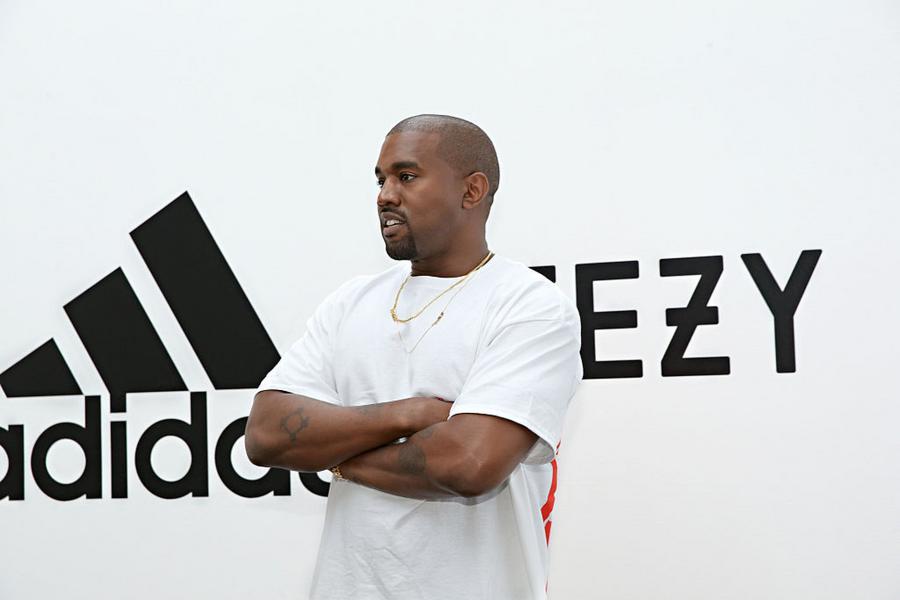
Jonathan Leibson/Getty Images
In addition to freedom from these contracts, West also wants to get ownership of his work since October, 2010, a period that includes such classic albums as My Beautiful Dark Twisted Fantasy and Yeezus.
For EMI's part, it maintains that its contract with West does not "constitute contracts for any of [West's] personal services," and instead only requires him to "deliver" interest in any music he does write. And they're counter-suing to keep West locked into his current contract, and what comes next is likely to be a long and complicated legal fight between artist and label, almost a rite of passage for artists of West's stature.