Biography & Early Wealth Journey
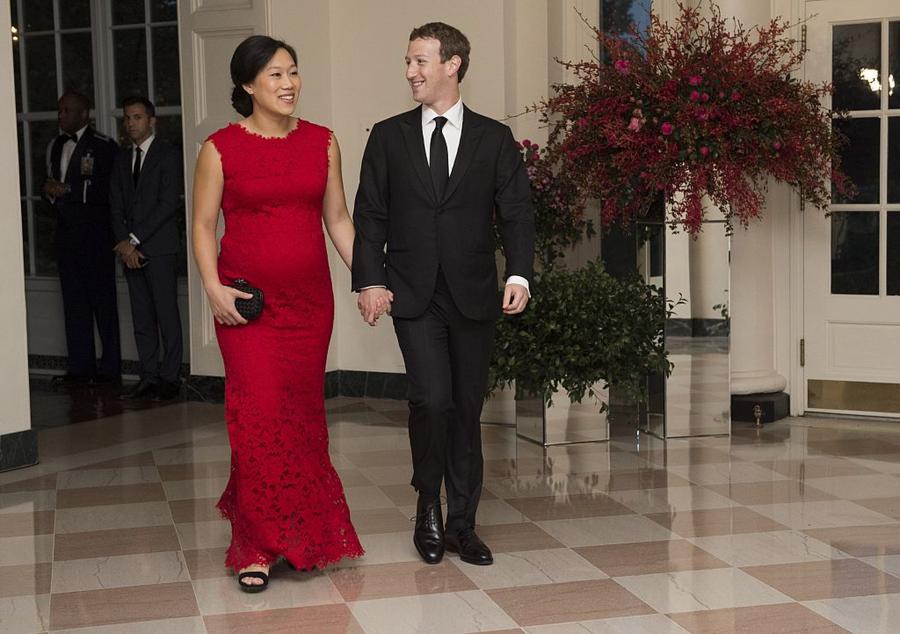
MOLLY RILEY/AFP/Getty Images
Education, health, arts and culture, environment and animal welfare all saw greater than 6% increases in giving in 2017. Public-society benefit organizations – which deal with issues like voter education, civil rights, civil liberties and consumer rights also saw giving increase by at least 6%.
Despite the record setting $410 billion total, the total level of generosity isn't any larger than it was decades ago. In 2017, charitable giving by individuals was equal to 2% of total disposable income. That's the same rate as it was in 1978 and it is down from the 2.4% it was in 2000. The percentage of U.S. households participating in charitable giving is also on the decline. In 2000 67% of households gave to charity. In 2015, the most recent year that data is available, it was 56.6%. Generally, the 2008 recession caused middle and lower class families to reduce or eliminate their charitable giving. Changes in tax law that no longer give people a deduction for charitable donations could further reduce the rate at which middle and lower class households donate to charity. The rate for the wealthiest 20% of households remains basically unchanged.